

Low Libido in Your 30s: Why It Happens and What Influences It
For many women, their 30s are full.
Careers are building. Relationships are evolving. Some are raising young children, others are navigating demanding work schedules, big life decisions, or the quiet pressure of trying to balance it all.
On the outside, this decade often looks confident and capable. But internally, it can also be a time of significant change - physically, emotionally, and mentally.
One of the quieter shifts some women notice during this stage of life is a change in desire.
Not a sudden loss. Not something dramatic. Just a subtle feeling of being more tired, more distracted, or less connected than before.
And often, it’s not talked about.
A Decade of Constant Motion
The 30s are often one of the busiest periods of adulthood.
Life can include:
- Growing career responsibilities
- Financial pressure
- Parenting or family commitments
- Relationship changes
- Less personal time than ever before
With so much happening, energy is constantly being directed outward.
When the mind is focused on managing daily life, it can be harder to switch into a slower, more present state where connection feels natural.
This isn’t a personal failing. It’s a reflection of the pace of modern life.
The Role of Mental Load
Many women in their 30s carry a significant mental load.
Planning, organizing, remembering, anticipating - it all takes energy.
Even when everything is going well, the mind can feel full. And when the mind is full, it’s harder to feel calm, relaxed, and present in your body.
It’s not about one single factor. It’s the accumulation of many small demands.
Energy, Fatigue and Everyday Life
Energy often shifts in the 30s.
Long work hours, broken sleep, busy mornings, and constant responsibility can leave little time to properly rest and recover. Even women who feel generally healthy can notice a sense of underlying fatigue.
And when energy feels low, the body naturally prioritizes restoration.
This is a protective response. It simply means the body is trying to conserve what it needs to keep going.
Studies exploring lifestyle and wellbeing have found strong connections between sleep quality, stress levels, and perceived vitality. When sleep improves and stress is managed, many people report feeling more energized and mentally present.
These foundations influence many areas of life.
Hormonal Rhythms and Subtle Shifts
While major hormonal changes are often associated with later life stages, the 30s can still bring subtle shifts in rhythm.
These can be influenced by:
- Stress levels
- Sleep patterns
- Nutrition
- Physical activity
- Emotional wellbeing
Hormones don’t work in isolation, they respond to the environment around them. When life becomes busier or more demanding, the body adapts.
This adaptation is normal, but it can contribute to feeling a little different than before.
Identity and Self-Connection
Another factor that often goes unspoken is identity.
In your 20s, there may be more space for spontaneity, self-exploration, and personal time. In your 30s, responsibilities increase, and it’s easy for self-care to slip lower on the list.
Many women give so much to their work, families, and relationships that they forget to prioritize themselves.
Over time, this can create a subtle sense of disconnection, not just from others, but from your own body and energy.
Rebuilding that connection often starts with small, intentional moments of self-focus.
Stress and the Nervous System
Chronic stress can influence how the body feels and responds day to day.
When the nervous system is constantly in a state of alertness - managing schedules, deadlines, and responsibilities, it becomes harder to switch into a calm, receptive mode.
Research into stress physiology has shown that ongoing stress can influence sleep, mood, and perceived energy levels. These, in turn, shape how present and connected someone feels in their daily life.
Supporting relaxation and recovery becomes increasingly important during busy life stages.
A Gentle, Supportive Approach
Rather than seeing changes as something to “fix,” many women find it more helpful to focus on supporting their overall wellbeing.
This might include:
- Improving sleep consistency
- Creating moments of calm in the day
- Moving the body regularly
- Prioritizing personal time, even in small ways
- Supporting energy through balanced nutrition
These foundations don’t just support physical health - they support how someone feels in themselves.
And often, when energy and balance begin to return, a sense of connection follows.
The Role of Natural Support
Some women choose to incorporate natural supplements into their routine as part of a broader approach to self-care.
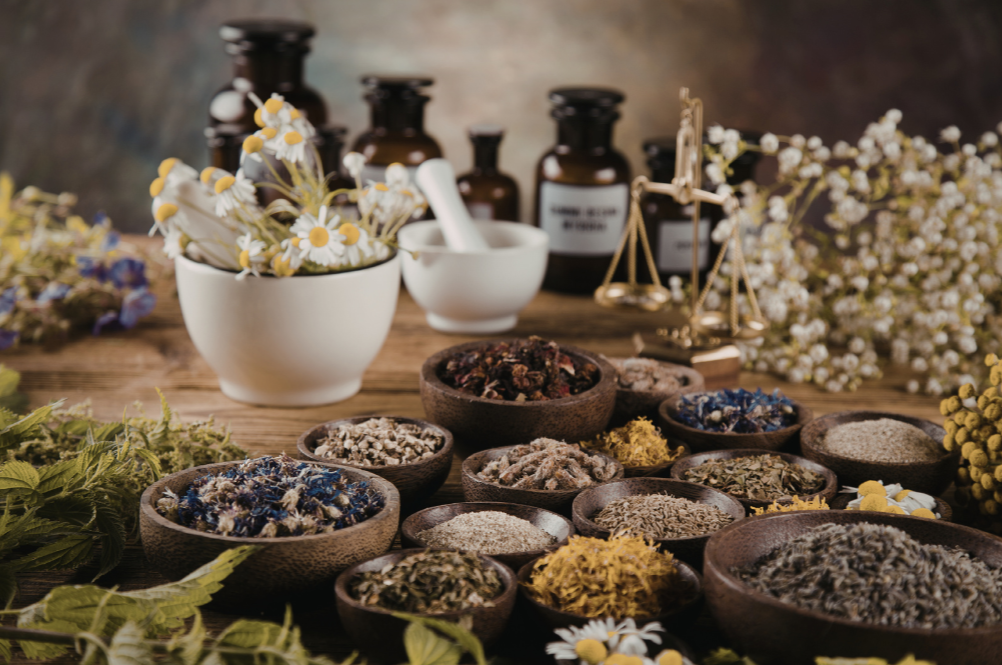
Traditionally used herbs have long been valued for supporting vitality, mood balance, relaxation, and energy - areas that are closely linked to how someone feels day to day, especially during demanding life stages.
Rather than being seen as a quick solution, they’re often used as gentle, consistent support alongside healthy habits.
Where Luminara Fits
Luminara was developed with this stage of life in mind - not for one specific age group, but for women navigating the demands of modern life.
Its formulation brings together traditional herbal ingredients selected to support areas closely connected to everyday wellbeing, including energy, mood balance, relaxation, and overall vitality.
Many women choose to incorporate Luminara into their routine as a way to prioritize themselves again, supporting their wellbeing alongside good sleep, balanced nutrition, and small moments of self-care.

Leave a comment
This site is protected by hCaptcha and the hCaptcha Privacy Policy and Terms of Service apply.